






Battery Chemistries
Explore the different types of battery chemistries, including Solid-State, Lithium-Sulfur, and more.
-
Solid-State Batteries:
- Utilize solid electrolytes instead of liquid electrolytes, enhancing safety and potentially increasing energy density.
- Various solid electrolyte materials are being explored, including ceramics, polymers, and sulfides.
- Promises higher energy density, faster charging, and improved safety compared to traditional lithium-ion batteries.
-
Lithium-Sulfur (Li-S) Batteries:
- Offer significantly higher theoretical energy densities than lithium-ion batteries.
- Sulfur is abundant and inexpensive, making Li-S batteries potentially more cost-effective.
- Challenges include polysulfide shuttling and low cycle life.
- Research focuses on mitigating these issues through novel electrode materials and electrolyte designs.
-
Sodium-Ion (Na-ion) Batteries:
- Sodium is abundant and widely available, making Na-ion batteries a sustainable alternative to lithium-ion batteries.
- Lower energy density compared to lithium-ion, but suitable for stationary energy storage and low-cost applications.
- Research focuses on improving energy density and cycle life.
-
Lithium-Metal Batteries:
- Utilize lithium metal anodes, which offer higher energy density than graphite anodes.
- Challenges include dendrite formation and safety concerns.
- Research focuses on developing protective coatings and solid electrolytes to enable safe and stable lithium metal anodes.
-
Potassium-Ion (K-ion) Batteries:
- Similar to sodium-ion, but utilize potassium, another abundant alkali metal.
- Offers potential cost advantages and sustainability.
- Research is still in early stages, focusing on identifying suitable electrode materials and electrolytes.
-
Flow Batteries:
- Store energy in liquid electrolytes that are pumped through electrochemical cells.
- Scalable and long-lasting, suitable for grid-scale energy storage.
- Various chemistries exist, including vanadium redox flow batteries and zinc-bromine flow batteries.
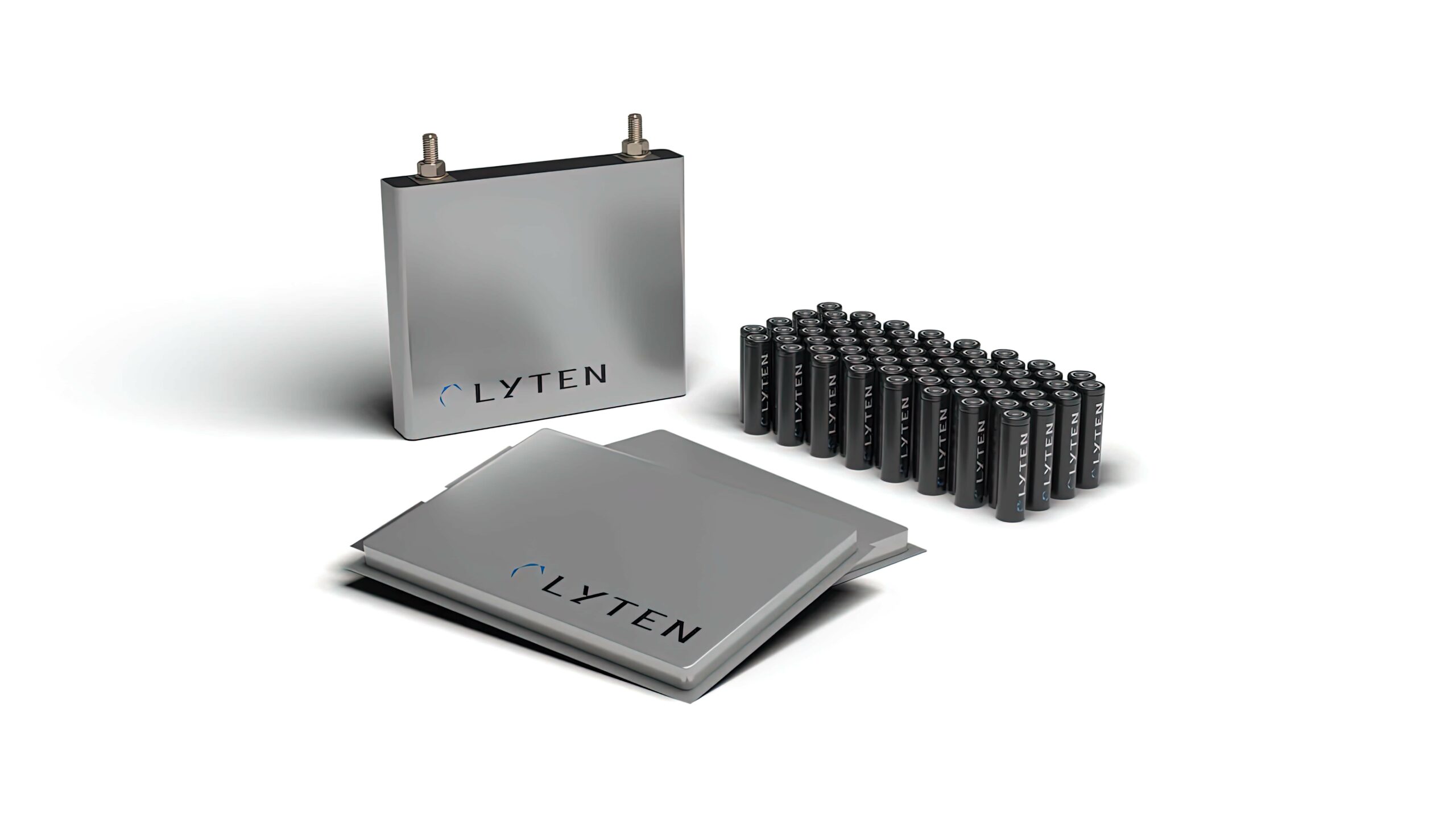
Lithium-Sulfur Battery
Battery Technology Advancements
Introduction
The demand for efficient, safe, and sustainable energy storage is rapidly increasing. Advancements in battery technology are crucial for powering electric vehicles, portable electronics, and grid-scale energy storage. This page explores some of the key developments in next-generation batteries.
Solid-State Batteries
Solid-state batteries are considered a major leap forward, replacing the liquid electrolytes in traditional lithium-ion batteries with solid materials. This offers several advantages:
- Increased energy density, leading to longer range in electric vehicles.
- Enhanced safety, reducing the risk of fires and explosions.
- Faster charging capabilities.
- Improved cycle life.
Research is ongoing to overcome challenges such as interface resistance and manufacturing scalability.
Lithium-Sulfur Batteries
Lithium-sulfur (Li-S) batteries promise significantly higher energy density compared to lithium-ion batteries. Key benefits include:
- Very high theoretical energy density, potentially doubling or tripling current capacities.
- Abundant and low-cost sulfur materials.
However, challenges like polysulfide shuttling and low cycle life are being addressed through innovative electrode designs and electrolyte modifications.
Sodium-Ion Batteries
Sodium-ion batteries are gaining attention as a more sustainable and cost-effective alternative to lithium-ion batteries. Advantages include:
- Abundance of sodium, reducing reliance on lithium.
- Lower cost due to readily available materials.
- Good low-temperature performance.
While their energy density is generally lower than lithium-ion, they are suitable for applications like grid storage and low-speed electric vehicles.
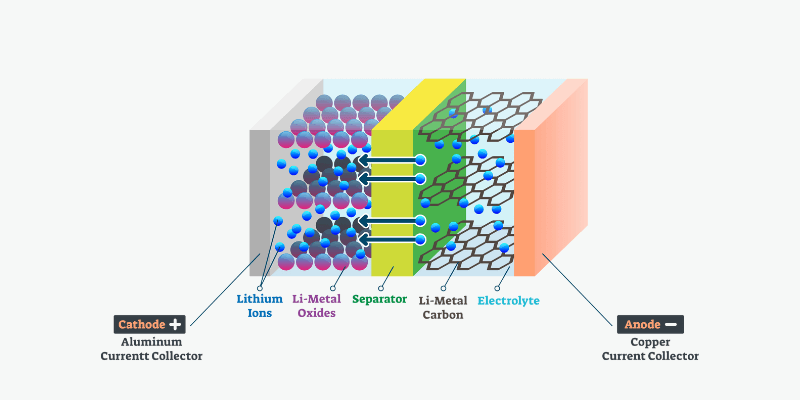
Lithium-Ion Cell Structure
Lithium-Metal Batteries
Lithium-metal batteries utilize lithium metal as the anode, offering extremely high energy density. Key features:
- Potential for significantly higher energy density than current lithium-ion.
- Enables smaller and lighter batteries.
Dendrite formation and safety concerns are major obstacles that researchers are working to overcome through advanced materials and electrolyte designs.
Advanced Materials and Electrolytes
Innovations in electrode materials, such as silicon anodes and advanced cathode materials, are crucial for improving battery performance. Developments in electrolytes, including solid electrolytes and ionic liquids, are also enhancing safety and stability.
- Silicon anodes to increase capacity.
- Advanced cathode materials for higher voltage and capacity.
- Ionic liquid electrolytes for improved safety and thermal stability.
- Polymer electrolytes to enable flexible and safe batteries.
Conclusion
The battery industry is undergoing rapid transformation, with numerous promising technologies on the horizon. Continued research and development are essential to achieve the full potential of next-generation batteries and drive the transition to a sustainable energy future.
Battery Applications
Introduction
Next-generation batteries are poised to revolutionize various sectors by providing enhanced energy storage capabilities. Their applications span across numerous industries, driving innovation and sustainability. Here are some key areas where these advanced batteries are making a significant impact:
Electric Vehicles (EVs)
One of the most prominent applications is in electric vehicles. Next-gen batteries offer:
- Increased driving range, reducing range anxiety.
- Faster charging times, improving convenience.
- Enhanced safety, minimizing risks.
- Lower overall cost, making EVs more accessible.
This will accelerate the adoption of EVs and contribute to reducing carbon emissions.
Grid-Scale Energy Storage
Storing energy from renewable sources like solar and wind is crucial for grid stability. Next-gen batteries enable:
- Efficient storage of surplus energy.
- Improved grid reliability and resilience.
- Integration of renewable energy sources into the grid.
- Peak shaving and load balancing.
This allows for a more sustainable and reliable energy infrastructure.
Consumer Electronics
Portable devices benefit greatly from advanced batteries, offering:
- Longer battery life for smartphones, laptops, and tablets.
- Faster charging for increased productivity.
- Smaller and lighter devices due to higher energy density.
- Enhanced safety and reliability.
This leads to a better user experience and increased device functionality.
Aerospace and Aviation
Next-gen batteries are crucial for the development of electric aircraft and drones, providing:
- High energy density for longer flight times.
- Lightweight design for improved efficiency.
- Safe and reliable power for critical applications.
- Reduced noise and emissions.
This opens up new possibilities for sustainable aviation.
Medical Devices
Medical devices require reliable and long-lasting power. Next-gen batteries offer:
- Extended operating times for implantable devices.
- Smaller and lighter portable medical equipment.
- Enhanced safety for critical applications.
- Improved reliability for life-saving devices.
This improves patient care and quality of life.
Renewable Energy Systems (Off-Grid)
For remote areas and off-grid applications, advanced batteries provide:
- Reliable energy storage for solar and wind power.
- Independence from traditional power grids.
- Sustainable energy solutions for remote communities.
- Improved access to electricity in developing regions.
This empowers communities with clean and reliable energy.
Conclusion
The applications of next-generation batteries are vast and transformative. As technology advances, we can expect to see even more innovative uses that drive sustainability, efficiency, and convenience across numerous industries.
Battery Safety
The Importance of Battery Safety
As next-generation batteries become increasingly integrated into our lives, from electric vehicles to personal electronics and grid storage, ensuring their safety is paramount. The advancements in energy density and performance must be matched by robust safety measures to prevent potential hazards. This page outlines key safety considerations and advancements in battery technology.
Key Safety Concerns
Several factors can compromise battery safety. Understanding these concerns is crucial for developing safer battery technologies.
- Thermal Runaway: A rapid and uncontrolled increase in temperature, leading to fire or explosion.
- Electrolyte Flammability: Traditional liquid electrolytes can be highly flammable.
- Dendrite Formation: Lithium dendrites can cause internal short circuits.
- Overcharging and Over-discharging: Exceeding voltage limits can damage batteries and lead to safety issues.
- Mechanical Damage: Physical stress can compromise battery integrity.
Are Your Batteries Safe?
Advancements in Battery Safety
Researchers and manufacturers are actively working to address these safety concerns through various technological advancements.
- Solid-State Electrolytes: Replacing flammable liquid electrolytes with solid materials, significantly reducing fire risk.
- Advanced Battery Management Systems (BMS): Implementing sophisticated monitoring and control systems to prevent overcharging, over-discharging, and thermal runaway.
- Improved Electrode Materials: Developing materials with enhanced thermal stability and reduced dendrite formation, such as silicon anodes with protective coatings.
- Flame-Retardant Additives: Incorporating additives into electrolytes to reduce flammability.
- Enhanced Thermal Management Systems: Utilizing advanced cooling technologies to maintain optimal operating temperatures.
- Rigorous Testing and Quality Control: Implementing stringent testing protocols and quality control measures during manufacturing.
Solid-State Batteries and Safety
Solid-state batteries are considered a major advancement in battery safety. By replacing liquid electrolytes with solid materials, they offer several safety advantages.
- Reduced Risk of Fire: Solid electrolytes are non-flammable, eliminating the risk of electrolyte leakage and combustion.
- Improved Thermal Stability: Solid electrolytes can withstand higher temperatures, reducing the risk of thermal runaway.
- Enhanced Mechanical Stability: Solid materials provide better structural support, improving overall battery integrity.
Battery Management Systems (BMS) and Safety
Advanced BMS play a critical role in ensuring battery safety by monitoring and controlling various parameters.
- Real-Time Monitoring: Continuously tracking voltage, current, and temperature to detect anomalies.
- Cell Balancing: Ensuring each cell operates within safe parameters to prevent overcharging and over-discharging.
- Fault Detection and Isolation: Quickly identifying and isolating faulty cells to prevent the propagation of failures.
- Predictive Maintenance: Using data analytics to predict potential failures and schedule maintenance.
Conclusion
Battery safety is a critical aspect of next-generation battery development. Through ongoing research and technological advancements, significant progress is being made to create safer and more reliable energy storage solutions. Prioritizing safety will be essential for the widespread adoption of these technologies and their integration into various applications.
Battery Safety NotesBattery Recycling
The Growing Importance of Battery Recycling
As the adoption of next-generation batteries increases, particularly in electric vehicles and large-scale energy storage, the need for effective and sustainable recycling processes becomes crucial. Recycling not only recovers valuable materials but also mitigates environmental risks associated with battery disposal.
Challenges in Recycling Next-Generation Batteries
Recycling next-generation batteries presents unique challenges due to their complex chemistries and designs.
- Variety of Chemistries: Different battery types (e.g., solid-state, lithium-sulfur, sodium-ion) require varied recycling processes.
- Complex Disassembly: Advanced battery designs can make disassembly and material separation difficult.
- Hazardous Materials: Batteries contain potentially hazardous materials that require careful handling.
- Economic Viability: Developing cost-effective recycling processes is essential for widespread adoption.
- Scalability: Recycling infrastructure must scale to match the growing volume of end-of-life batteries.
Advancements in Battery Recycling Technologies
Innovations in recycling technologies are addressing these challenges and improving material recovery.
- Hydrometallurgical Processes: Using chemical solutions to extract valuable metals from battery materials.
- Pyrometallurgical Processes: Employing high-temperature furnaces to recover metals through smelting.
- Direct Recycling: Recovering and reusing electrode materials without breaking them down to their elemental form.
- Mechanical Recycling: Shredding and separating battery components to recover materials.
- Automated Disassembly: Using robotic systems to efficiently disassemble battery packs.
Hydrometallurgical Recycling
Hydrometallurgical processes are gaining prominence due to their ability to recover high-purity metals with lower energy consumption.
- High Recovery Rates: Effective in recovering lithium, cobalt, nickel, and other valuable metals.
- Reduced Emissions: Lower greenhouse gas emissions compared to pyrometallurgical methods.
- Flexibility: Adaptable to different battery chemistries.
Pyrometallurgical Recycling
Pyrometallurgical processes are well-established but often require high energy input and can generate significant emissions.
- Large-Scale Processing: Suitable for handling large volumes of batteries.
- Recovery of Multiple Metals: Can recover various metals simultaneously.
- Energy Intensive: Requires high temperatures and can produce significant emissions.
Direct Recycling and Material Recovery
Direct recycling aims to preserve the structure and properties of electrode materials, reducing the need for extensive reprocessing.
- Lower Energy Consumption: Reduces the energy required for material processing.
- Preservation of Material Properties: Maintains the performance characteristics of recycled materials.
- Reduced Waste: Minimizes the generation of waste byproducts.
Policy and Regulatory Frameworks
Strong policy and regulatory frameworks are essential to promote battery recycling and ensure responsible disposal.
- Extended Producer Responsibility (EPR): Mandating manufacturers to take responsibility for the end-of-life management of their products.
- Recycling Targets and Standards: Setting clear targets for material recovery and establishing quality standards for recycled materials.
- Incentives and Subsidies: Providing financial support for recycling infrastructure and research.
- International Collaboration: Harmonizing recycling standards and promoting best practices globally.
Conclusion: A Sustainable Battery Lifecycle
Developing robust and sustainable battery recycling processes is essential for minimizing the environmental impact of next-generation batteries. Through technological innovation, policy support, and industry collaboration, we can create a circular economy for batteries, ensuring the responsible management of these critical energy storage devices.
Battery Recycling NotesBattery Performance
Introduction: Driving Performance Improvements
Battery performance is a critical factor in the widespread adoption of next-generation technologies, from electric vehicles to portable electronics and grid storage systems. This section explores the key performance metrics and advancements that are driving improvements in battery technology.
Key Performance Metrics
Several key metrics define the performance of a battery. Understanding these metrics is essential for evaluating and comparing different battery technologies.
- Energy Density (Wh/kg): The amount of energy a battery can store per unit of mass. Higher energy density means longer runtime or range.
- Power Density (W/kg): The rate at which a battery can deliver energy. Higher power density enables faster acceleration and high-power applications.
- Cycle Life: The number of charge and discharge cycles a battery can endure before its capacity significantly degrades.
- Charging Time: The time required to fully charge a battery. Faster charging enables greater convenience and usability.
- Operating Temperature Range: The range of temperatures within which a battery can operate effectively.
- Efficiency: The ratio of energy output to energy input, indicating how much energy is lost during charging and discharging.
Advancements in Energy Density
Increasing energy density is a primary focus of next-generation battery research. Several technologies are contributing to this advancement.
- Silicon Anodes: Replacing graphite with silicon, which can store significantly more lithium ions.
- Lithium-Metal Anodes: Utilizing lithium metal directly, offering much higher theoretical capacity.
- Advanced Cathode Materials: Developing materials with higher lithium storage capacity and voltage, such as nickel-rich NMC and high-voltage LCO.
- Solid-State Electrolytes: Enabling the use of high-capacity electrodes and improving overall cell design.
Improvements in Power Density
High power density is crucial for applications requiring rapid energy delivery, such as electric vehicle acceleration and power tools.
- Optimized Electrode Design: Enhancing electrode conductivity and reducing internal resistance.
- Advanced Electrolytes: Using electrolytes with higher ionic conductivity to facilitate faster ion transport.
- Thin-Film Batteries: Offering very high power density due to their thin electrode and electrolyte layers.
Enhancing Cycle Life
Extending the cycle life of batteries is essential for long-term reliability and reducing replacement costs.
- Electrolyte Additives: Improving electrolyte stability and preventing electrode degradation.
- Surface Coatings: Protecting electrode materials from unwanted reactions and structural changes.
- Advanced Manufacturing Techniques: Minimizing defects and improving cell uniformity.
Faster Charging Capabilities
Rapid charging is a key factor in improving the user experience, especially for electric vehicles.
- Fast-Charging Anode and Cathode Materials: Designing materials that can accommodate high charge rates.
- Advanced Thermal Management: Preventing overheating during fast charging.
- Improved Battery Management Systems (BMS): Optimizing charging profiles and monitoring cell health.
Operating Temperature Range Improvements
Expanding the operating temperature range ensures batteries can perform reliably in diverse environments.
- Advanced Electrolytes: Developing electrolytes that remain stable at extreme temperatures.
- Thermal Insulation and Heating Elements: Maintaining optimal battery temperatures in cold climates.
- Cooling Systems: Efficiently dissipating heat in hot environments.
Efficiency Enhancements
Improving battery efficiency reduces energy loss and extends overall runtime.
- Minimizing Internal Resistance: Reducing energy loss during charging and discharging.
- Optimizing Cell Chemistry: Selecting materials with high electrochemical efficiency.
- Advanced BMS Algorithms: Improving charge and discharge control to minimize energy loss.
Conclusion: Driving the Future of Energy Storage
Advancements in battery performance are crucial for the continued development and adoption of next-generation technologies. Through ongoing research and innovation, batteries are becoming more powerful, efficient, and reliable, paving the way for a sustainable energy future.
Battery Cost Analysis
Introduction: The Economics of Next-Gen Batteries
The cost of batteries is a critical factor influencing the adoption of next-generation technologies, from electric vehicles to grid storage solutions. This analysis explores the various factors affecting battery costs and the trends shaping the economics of advanced battery technologies.
Factors Influencing Battery Costs
Several elements contribute to the overall cost of a battery, and understanding these factors is essential for accurate cost analysis.
- Raw Material Costs: The price of lithium, cobalt, nickel, and other materials significantly impacts battery costs.
- Manufacturing Processes: Advanced manufacturing techniques can reduce costs through economies of scale and improved efficiency.
- Research and Development (R&D): Investments in R&D drive innovation but also contribute to initial costs.
- Scale of Production: Increased production volumes lead to lower unit costs due to economies of scale.
- Technology Maturity: New technologies often have higher initial costs that decrease as they mature.
- Supply Chain Dynamics: Geopolitical factors and supply chain disruptions can affect material availability and costs.
Cost Trends in Next-Generation Batteries
While next-gen batteries often have higher initial costs, several trends are driving cost reductions.
- Increased Energy Density: Higher energy density can reduce the number of cells needed, lowering overall system costs.
- Material Substitution: Replacing expensive materials like cobalt with more abundant and cheaper alternatives.
- Improved Manufacturing Techniques: Advanced automation and process optimization reduce manufacturing costs.
- Economies of Scale: As production volumes increase, unit costs decrease significantly.
- Recycling and Circular Economy: Developing efficient recycling processes to recover valuable materials and reduce reliance on raw material extraction.
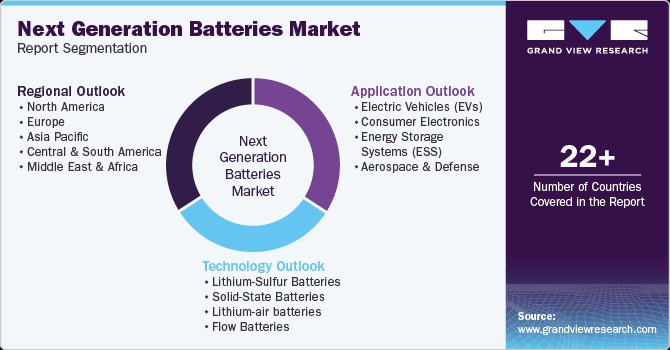
Global Next-Gen Batteries Market Share
Cost Analysis of Specific Technologies
Different next-generation battery technologies have varying cost structures and trends.
- Solid-State Batteries: Initially higher costs due to complex manufacturing, but potential for long-term cost reductions through simplified designs and abundant materials.
- Lithium-Sulfur Batteries: Lower material costs due to the abundance of sulfur, but challenges in achieving high cycle life and stability.
- Sodium-Ion Batteries: Lower raw material costs compared to lithium-ion, making them a cost-effective alternative for certain applications.
- Lithium-Metal Batteries: High potential for cost reduction through increased energy density and simplified designs, but challenges with dendrite formation and safety.
Impact of Government Policies and Incentives
Government policies and incentives play a crucial role in driving down battery costs and accelerating the adoption of next-generation technologies.
- Subsidies and Tax Credits: Reducing the upfront costs of battery technologies for consumers and manufacturers.
- Investment in R&D: Supporting research and development to drive innovation and cost reductions.
- Regulations and Standards: Promoting the adoption of advanced battery technologies through regulations and standards.
- Infrastructure Development: Investing in charging infrastructure to support the growth of electric vehicles.
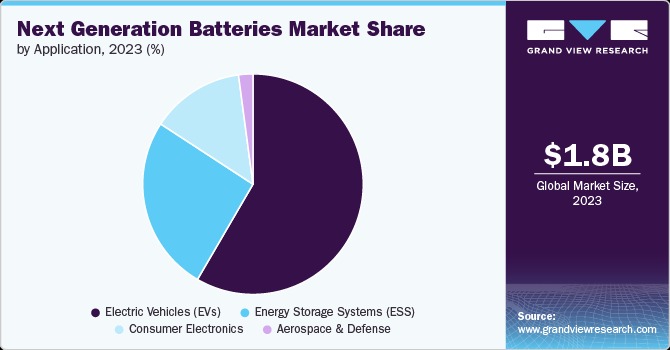
Next-Gen Batteries Market
Future Outlook and Cost Projections
Continued advancements in materials, manufacturing, and recycling are expected to drive down battery costs significantly in the coming years. The adoption of next-generation batteries will be increasingly driven by their economic viability.
- Continued Cost Reductions: Expect significant cost reductions as technologies mature and production volumes increase.
- Increased Competition: Growing competition among battery manufacturers will drive innovation and cost efficiency.
- Sustainable Supply Chains: Focus on developing sustainable and resilient supply chains to mitigate material cost volatility.
Conclusion
Battery cost analysis is essential for understanding the economic feasibility of next-generation energy storage solutions. By addressing the factors influencing costs and leveraging technological advancements, the industry can achieve significant cost reductions and accelerate the transition to a sustainable energy future.